Designing the Perfect Custom Produce Boxes: A Progressive Guide
Creating specialized fruit and vegetable boxes demands a strategic method. Experts must evaluate environmental responsibility, functionality, and visual appeal. Choosing the appropriate materials is vital for maintaining quality and promoting environmentally conscious methods. Furthermore, dimensions and form can greatly impact usability and shipping effectiveness. Effective graphics enhance company recognition, while comprehensive testing guarantees longevity. Understanding these elements will uncover important insights into developing standout packaging solutions that resonate with customers. What comes next is fundamental to achieving those goals.
Picking the Ideal Resources for Custom Produce Boxes
When evaluating materials for custom produce boxes, it is important to examine both functionality and sustainability. The choice of material significantly determines the box's strength, weight, and ability to protect the contents. Common materials include corrugated cardboard, which delivers strength and is environmentally recyclable, making it a popular choice for eco-conscious businesses. Compostable options, such as molded pulp or plant-based plastics, also promote green practices while delivering adequate protection for delicate produce.
Additionally, water resistance is vital for preserving product freshness, moving some producers to consider specially processed substances or specialized coatings. The aesthetic appeal of the box must not be ignored, as brand messaging and design aesthetics can shape consumer perception. Ultimately, the proper selection should achieve balance between preserving the goods, appealing to customers, and adhering to environmental standards, making certain that usefulness and environmental responsibility are central to the creation phase.
How to Opt for Size and Shape for Operational Use?
When determining the size and shape of custom produce boxes, careful assessment of produce measurements is crucial for effective storage. Additionally, attention to movement and transportation can impact the box structure, guaranteeing ease of movement. Maximizing storage space utilization further enhances functionality, allowing for effective presentation and organization.
Evaluate Produce Measurements Carefully
Assessing the suitable size and shape for produce containers is essential for workflow efficiency. Accurate assessment of produce dimensions is critical, as it guarantees that goods fit snugly without surplus room that could produce damage during storage or transport. Bespoke boxes need to accommodate assorted configurations, from soft-skinned fruits to bulky vegetables, while sustaining structural integrity. Furthermore, the depth and height of the boxes should facilitate stacking and organization, making full use of space in storage facilities. A well-designed box not only shields the produce but also enhances visual appeal for consumers. To sum up, careful consideration of dimensions contributes to reducing waste and advancing buyer experience in the product supply chain.
Examine Handling and Transport Methods
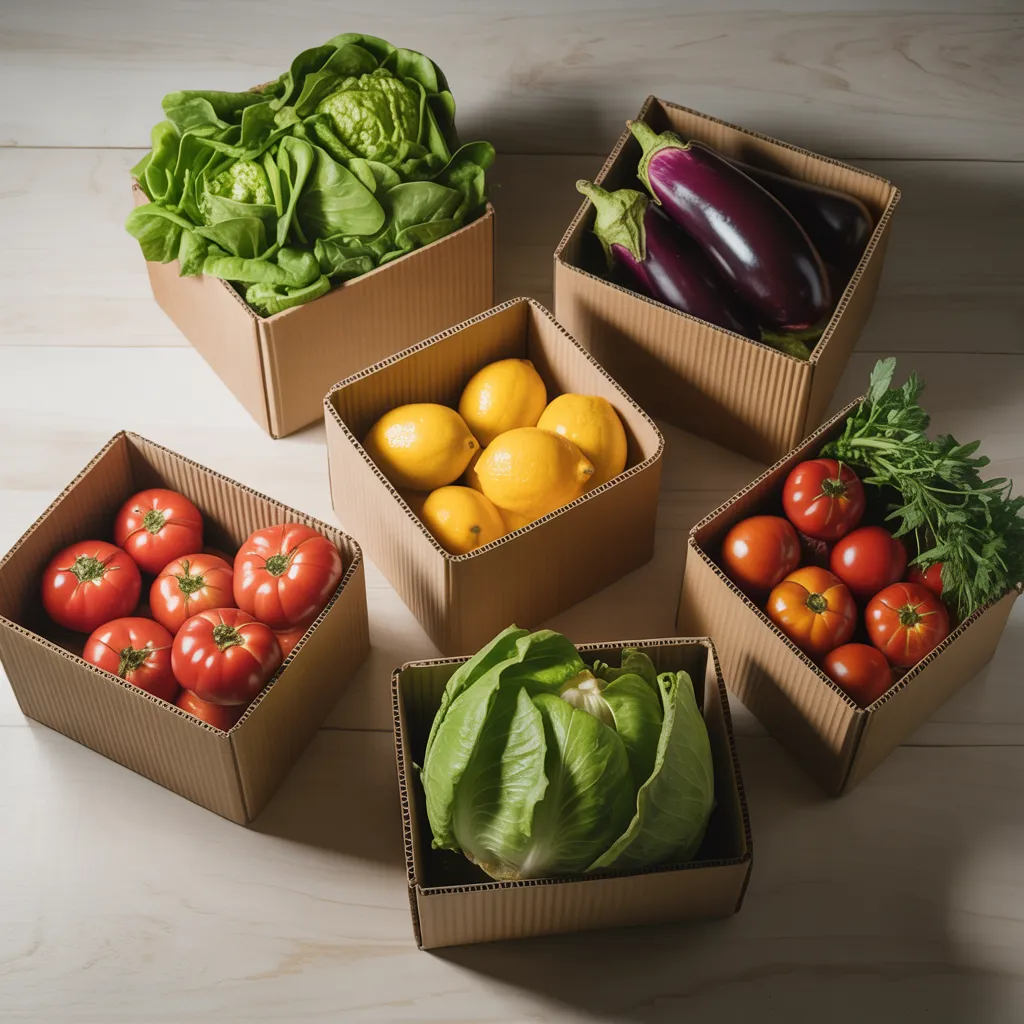
Handling and delivery aspects have a major part in defining the appropriate size and shape of custom produce containers. The measurements must contain the items with no excessive space, that could lead to movement and harm during transit. Small boxes make simpler management, while big containers might be necessary to handle bulkier products. Additionally, thoughtful design remains essential; grip points and access ought to be deliberately placed to enable easy hoisting plus carrying. The form of the box equally determines stacking and steadiness, ensuring that products stay intact. Ultimately, careful consideration regarding such components strengthens the efficiency in shipping, minimizes product loss, and maintains the complete integrity of the fresh goods beginning at farm to buyer.
Improve Retail Space Management
Optimal shelving management is determined by picking the best measurements and configuration of custom vegetable packaging. Professionals should review the proportions of the display racks as well as the types of produce being stored. Rectangular boxes often advance efficient use of space, supporting for improved arrangement and fitting. However, distinctive shapes can enhance visual appeal but may generate unutilized areas if not well planned.
It's essential to assess the inventory turnover rate; faster-moving items might gain advantages with compact, readily reachable containers. Furthermore, implementing adjustable or modular designs can support different dimensions of items while improving shelf organization. By prioritizing functionality along with aesthetics, companies can create a functional and attractive presentation that enhances both accessibility and product visibility.
How to Make Images That Draw Focus?
Engaging graphics can convert a basic custom produce box into a stunning display that attracts interest. To achieve this, designers should begin by choosing a color palette that showcases the vitality and energy of the produce. Vibrant, striking colors can evoke feelings of freshness and wellness, driving consumers to take a second glance.
Strong typography is also essential; readable typefaces can properly convey essential information while strengthening aesthetic charm. Moreover, leveraging high-quality images of the produce can build instant rapport, presenting the product's quality and motivating potential buyers.
Furthermore, adding original designs and artwork can assist in setting apart the brand in a crowded market. Consistency in visual features, such as logos and taglines, bolsters brand identity. Ultimately, a blend of creativity and clarity in graphic design can greatly elevate the significance of custom produce boxes, making them stand out on shelves.
Green Practices for Custom Produce Box Packaging
An increasing quantity of businesses are implementing eco-friendly practices for custom produce box packaging, recognizing its significance in today's environmentally conscious market. These approaches often include the use of biodegradable materials, such as recycled paper and plant-based plastics, which reduce environmental impact. Companies are also focusing on responsible material sourcing, guaranteeing that materials are obtained from responsibly managed forests or suppliers who emphasize environmental stewardship.
Also, many brands are selecting minimalist designs that lower waste while still successfully displaying their products. This method not only attracts eco-minded consumers but also assists with cutting production costs. Moreover, businesses are progressively implementing streamlined manufacturing processes that limit energy consumption and waste generation. By integrating these sustainable practices, companies not only improve their brand image but also contribute positively to the planet, aligning their operations with a sustainable future.
Inspect Your Tailored Produce Box Design
Assessing the design of tailored packaging containers is a critical step in ensuring they fulfill both aesthetic and useful requirements. This process commonly requires examining factors including toughness, size, and functionality. First, trial models should be made to test the box's structural integrity, confirming it can withstand transportation and holding without compromising the goods.
Afterwards, performance tests can be undertaken to ascertain how without difficulty the boxes can be accessed, latched, and nested. Feedback from likely users can be invaluable in this juncture, revealing perspectives into the box's practical application.
Furthermore, the design's visual appeal should be tested through focus groups or surveys, measuring customer responses to brand components, colors, and general appearance.
Ultimately, thorough evaluation allows designers to refine the box, ensuring it not only appeals to customers but also effectively protects and presents the produce within, maintaining the right equilibrium between form and function.
Advertising Your Tailored Produce Boxes Effectively
Successful promotion of personalized vegetable containers demands a well-planned strategy that emphasizes their unique features and benefits. Businesses should focus on identifying their intended customers, such as local farms, grocery stores, or individual consumers. Leveraging social media platforms can boost market visibility, showcasing the boxes' design and practicality through engaging visuals and storytelling.
In addition, joining forces with local influencers or farmers can solidify authenticity and increase reach. Rolling out promotions or discounts during busy seasons can appeal to initial customers and inspire repeat business.
Additionally, emphasizing sustainability and eco-friendliness in promotional content can resonate with eco-aware buyers. Providing detailed information about material composition and the advantages of custom packaging can further differentiate the product in a competitive market.
In the end, a detailed marketing strategy that blends internet-based and community-based undertakings will efficiently promote custom produce boxes, appealing to a diverse clientele and increasing sales.
Commonly Asked Queries
What Are the Expenses Connected With Custom Produce Box Design?
Expenses part of custom produce box design include components, print services, labor, and shipping. Moreover, design expertise and batch minimums can determine overall costs, leading to fluctuating prices based on individual requirements and manufacturing size.
What Length of time Is Required to Manufacture Tailored Boxes?
Crafting customized boxes normally demands two to six weeks. Determinants that shape this timeline include design complexity, materials sourcing, and production capability, each of which might impact shipment timelines and lead times.
Can I Purchase a Compact Shipment of Custom Produce Boxes?
Yes, small quantities of custom produce boxes can generally be ordered. Many suppliers extend minimum order quantities, permitting businesses or individuals to acquire personalized packaging options without needing to commit to significant quantities from the beginning.
What Are Common Mistakes to Avoid in Personalized Box Design?
Typical mistakes in custom box design involve overlooking functionality, ignoring brand practical advice consistency, undervaluing material quality, failing to take into account target audience preferences, and disregarding environmental impact. Each aspect is vital for successful packaging and customer satisfaction.
How Can I Make Sure My Boxes Meet Food Safety Standards?
To guarantee boxes are food-safe, one must select substances certified for food contact, prevent harmful inks and adhesives, maintain cleanliness during production, and regularly test for compliance with health regulations and safety standards.